Namibia’s creatives are producing some of the most exciting art, music, and performances in Southern Africa — yet for most, talent and fame do not pay the bills.
Despite growing recognition online and at local events, artists like Pinehas “Zuluboy” Shikulo, Big Ben, and industry advocate Patrick Sam reveal a harsh reality: the country’s creative economy is underdeveloped, poorly structured, and unable to provide sustainable income. While the world applauds their work, these artists are left navigating a system with no policies, minimal funding, and limited access to markets, proving that visibility does not equal survival.
Namibia’s creative sector contributes only about 1.5 % to the country’s GDP, and between 2019 and 2023, only around N$6.6 million in royalties was collected nationwide.
Fewer than 600 creatives are registered as taxpayers, highlighting how informal and unstructured the industry still is. For many artists, those numbers reflect a daily struggle to make ends meet.
Pinehas “Zuluboy” Shikulo, whose work spans visual art, fashion, and cultural performance, is blunt about the reality. “It’s very, very difficult. Realistically, it’s not possible to survive only from art,” he says.
His income comes from scattered opportunities — workshops, events, and short-term programmes — none of which are consistent enough to pay rent and cover bills. He often relies on other work just to survive.Even where programmes exist, they are insufficient. “You might go into programmes where you travel across countries or do workshops here and there. But I don’t believe you can survive fully through these programmes,” he says.
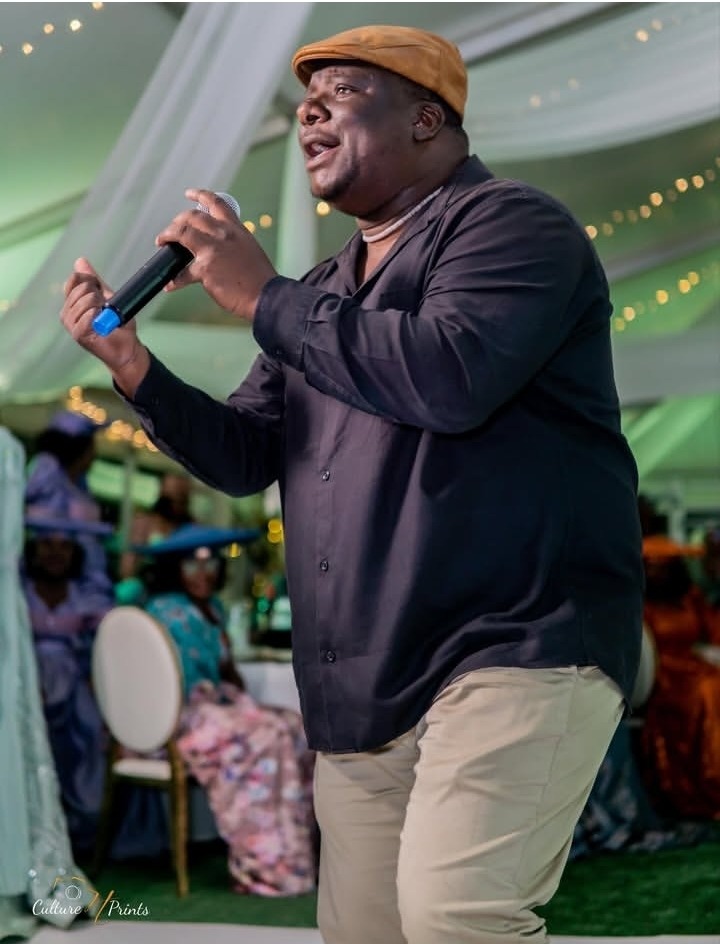
The deeper issue, he argues, is the absence of policy and structure. “Government doesn’t even know how much an actor or artist should be paid. We have no policies that regulate this. You study and after that you go back to the streets. There are no real platforms… no export pathways. We don’t even collaborate with galleries overseas.”
For Zuluboy, the human cost is clear: financial instability affects both mental health and creative output. “Financial pressure is real. Without money, quitting has always been an option in my career. But I push on, because I have responsibilities, and my work matters. Yet financially, if the system doesn’t support you, it’s very hard to continue.”
For veteran performer Big Ben, the challenge is less about earning money at all and more about sustaining it. “You can survive in bursts, in good months when gigs line up. But long-term sustainability is another story,” he says. In Namibia’s small market, income is heavily dependent on live performances and commissioned work. When bookings are frequent, artists earn. When they slow down, income disappears just as quickly.He also dismisses the notion that online fame solves the problem.
“Exposure is overrated. You can be very visible and still very broke,” he says. Social media and streaming platforms may build an audience, but they rarely provide reliable revenue locally. Instead, Big Ben says, artists must think like entrepreneurs. “You don’t just show up and wait for gigs. You have to be proactive — promote yourself, create opportunities, and have something else going on. Perform a few times a month, do private gigs, leverage multiple skills. That’s how you survive.”
Big Ben points to structural issues that go beyond individual effort. Many performance spaces are outdated, poorly maintained, and equipped with acoustics designed decades ago. Corporates sponsor one-off events rather than long-term partnerships that allow artists to grow. The audience loves music, he says, but paying consistently for art is still developing. Namibia’s small population and limited market make regional and international exposure essential, yet support for that leap is minimal.
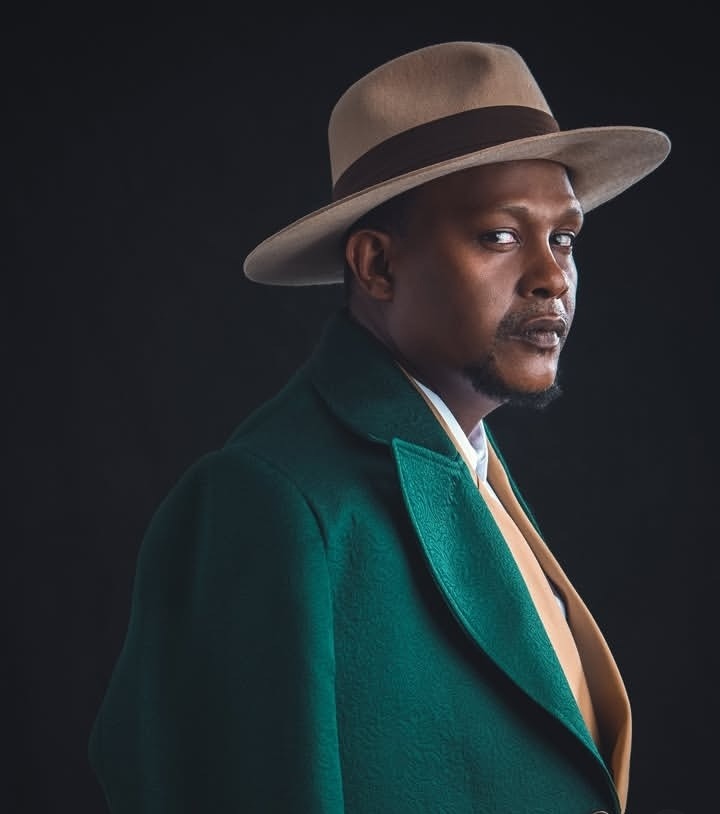
Patrick Sam frames the problem from a policy and professional perspective. “Right now, it’s not realistic. The sector is informal and not properly structured,” he says. Unlike law, accounting, or engineering, creatives have no professional associations to set standards, enforce market rates, negotiate contracts, or provide protections like pensions. “It’s not just about talent — it’s about turning that talent into a resource, into something that can generate consistent income.”
He stresses that income is linked to frequency of work. “You might have talent, but if you don’t convert it into a resource regularly, you cannot sustain yourself. Developing audiences and markets is fundamental. If the people who want your work can’t find it, or won’t pay for it consistently, then the system fails.”
Without professionalisation and collective bargaining, Patrick says, artists have no platform to advocate for their rights, fair pay, or better working conditions.Combined, the perspectives of Zuluboy, Big Ben, and Patrick Sam show the multiple layers of the problem: small market size, high production costs, limited funding, weak digital payment options, and lack of structured policy all converge to create an environment where talent thrives but income does not.
Compared to South Africa, where creative sectors are far more formalized — with unions, standardised pay, and export structures — Namibia still has a long way to go.The human cost is clear.
Financial uncertainty causes stress, anxiety, and compromises in wellbeing. Yet, despite these challenges, the issue is not a lack of talent. Big Ben sums it up plainly: “Artists are not lacking talent. We’re lacking systems that allow creativity to pay its own bills.”
Until Namibia builds those systems — with policies, protections, infrastructure, and access to markets — the cycle will continue: artists celebrated and admired, but still struggling to survive.